
 Written by
 Anterior Cruciate Ligament (ACL) Ruptures
The Anterior Cruciate Ligament (ACL) is one of four primary ligaments crucial for knee function. Located in the center of the knee joint, this strong band of tissue connects the femur (thigh bone) to the tibia (shin bone). The ACL isn’t just a simple connector—it’s a complex structure composed of densely packed collagen fibers arranged in a twisted pattern that gives it exceptional strength.
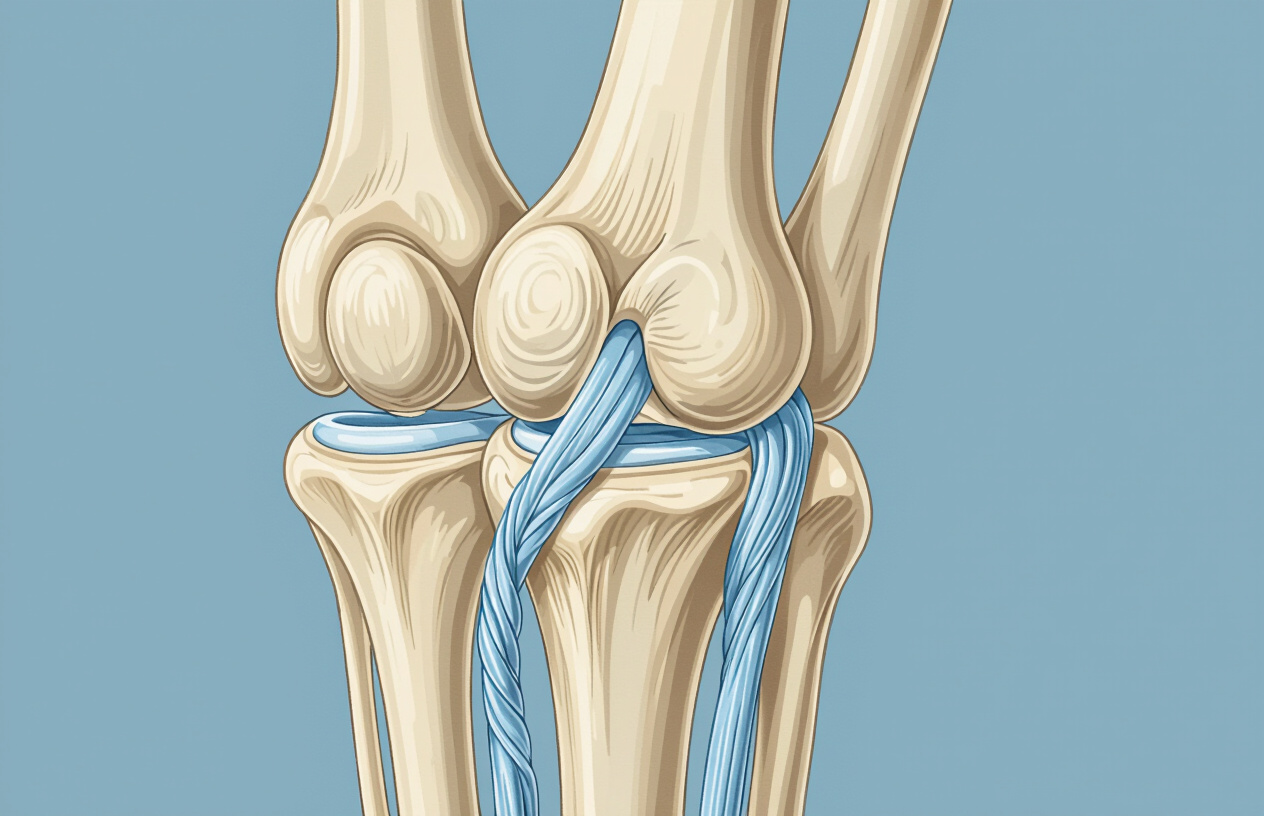
Your ACL plays several vital roles in knee stability. First, it prevents your tibia from sliding too far forward relative to your femur during movement. This forward stability is essential during walking, running, and jumping activities. Second, the ACL limits rotational movements of the knee, preventing excessive twisting that could damage the joint. Finally, it works with other ligaments to restrict side-to-side motion, creating a stable platform for lower body movements.
When functioning properly, you rarely notice your ACL’s contributions. However, when damaged, its absence becomes immediately apparent through knee instability and functional limitations. Medical professionals documenting ACL injuries often use specific classification codes (such as acl rupture ICD 10 codes) to identify the exact nature of the injury for treatment planning.
Grades of ACL Injury: From Sprain to Complete Tear
ACL injuries fall into a spectrum of severity, typically classified into three grades:
- Grade 1 (Mild): The ligament is slightly stretched but still provides adequate knee stability. These injuries involve microscopic tears within the ACL but maintain overall structural integrity.
- Grade 2 (Moderate): The ACL is partially torn, resulting in some looseness in the knee joint. These injuries are less common than either mild sprains or complete tears.
- Grade 3 (Severe): This represents a complete tear or rupture of the ACL, where the ligament has separated into two pieces. The knee becomes unstable, often described as “giving way” during normal activities.
According to orthopedic specialists, the vast majority of ACL injuries are complete or near-complete tears (Grade 3). Partial tears are relatively uncommon, as the force required to damage the ACL is often sufficient to completely rupture it. In cases of severe knee trauma, patients may experience a ruptured ACL and torn meniscus simultaneously, creating a more complex injury pattern that requires specialized treatment approaches.
Prevalence of ACL Injuries
ACL injuries represent one of the most common knee injuries in the United States. Each year, approximately 200,000 ACL injuries occur nationwide, with about 100,000 of these requiring surgical reconstruction.

These statistics highlight the significant public health impact of ACL ruptures.
Athletes face particularly high risks, with female athletes demonstrating 2-8 times higher injury rates than their male counterparts in similar sports. Sports requiring sudden stops, changes in direction, jumping, and landing—such as soccer, basketball, football, and skiing—account for the majority of ACL injuries. However, ACL tears aren’t limited to athletes; they can occur during everyday activities like stepping off a curb awkwardly or twisting the knee while getting out of a car.
The increasing participation in sports and recreational activities across all age groups has contributed to rising ACL injury rates over the past few decades, making understanding this injury more important than ever.